


Emerging Technologies Revolutionizing Healthcare

Chosen theme: Emerging Technologies Revolutionizing Healthcare. From AI diagnostics to bioprinting, discover how breakthrough innovations are reshaping care, amplifying empathy, and saving time when it matters most. Explore, share your perspective, and subscribe to follow real-world stories behind the tech.

AI can flag subtle patterns in X‑rays and CT scans that eyes might miss, accelerating detection of lung nodules and fractures. A rural clinic radiographer told us their AI alert surfaced a tiny lesion early, prompting a referral that likely changed a patient’s life.

AI As a Clinical Co‑Pilot

Telemedicine, Wearables, and the Rise of Care‑Anywhere

Hospitals at Home

Virtual rounds, connected devices, and rapid escalation pathways enable hospital‑level care at home for selected patients. One grandfather recovering from pneumonia said the beeps of his bedside monitor were replaced by birdsong, while nurses still checked in twice daily through video.

Tiny Sensors, Big Signals

Smartwatches and patches stream heart rhythm, oxygen levels, and sleep patterns. A reader reported their wearable flagged atrial fibrillation during a weekend jog, prompting a prompt clinic visit. Have you captured a life‑saving signal? Tell us your story below.

Designing for Trust and Simplicity

Great remote care feels effortless: clear instructions, visible battery life, and supportive helplines. If you build or use these tools, what frictions still frustrate you? Comment with your tips, and subscribe to our usability checklist releasing next month.

Precision Medicine and the Power of Genomics

Genomic insights help match cancers to therapies and identify hereditary risks earlier. A pediatric case we followed saw months of uncertainty end when exome sequencing revealed a rare variant, guiding a treatment path that restored a child’s appetite and energy.

Precision Medicine and the Power of Genomics

Your genes can influence how you metabolize medications. Clinicians are beginning to check variants before prescribing anticoagulants or antidepressants. Imagine fewer side effects, faster stabilization, and shorter hospital stays—precision that respects both biology and time.

Robotics and Automation: Steady Hands, Swift Workflows

Robotic systems can translate tiny wrist motions into micro‑movements, improving visualization and dexterity. A surgeon described how a tense first case became a quiet ballet of instruments, while the team focused on reassuring the anxious family waiting outside.

Robotics and Automation: Steady Hands, Swift Workflows

Pharmacy robots count, label, and verify medications, cutting wait times and error risks. In one pilot, barcoded workflows reduced near‑misses dramatically, while pharmacists spent more minutes counseling patients on interactions and adherence.

Robotics and Automation: Steady Hands, Swift Workflows

Lightweight exoskeletons assist gait training after strokes or injuries. A patient told us the first assisted steps felt like borrowing confidence from the future, each session building strength, balance, and a renewed belief in daily independence.

Custom Prosthetics Without the Wait

Clinics now scan residual limbs and print sockets tailored to comfort and activity. One teenager chose a bold color for their new prosthetic arm, turning appointments into design sessions and gym class into a celebration of ability and style.

Surgical Planning You Can Hold

Patient‑specific heart and bone models help teams rehearse complex procedures. Surgeons report shorter operating times and fewer surprises when they can hold anatomy, anticipate challenges, and brief families with tangible models they understand.

Bioprinting’s Careful Steps Forward

Researchers are layering living cells into scaffolds that might one day repair cartilage or patch organs. What ethical guardrails and quality standards do you think must come first? Share thoughts, and subscribe for lab‑to‑clinic updates as evidence grows.

Data Interoperability, Security, and Trust

Standards make it easier for hospitals, clinics, and apps to share essential details. Imagine fewer clipboard questionnaires and no repeated scans because history actually follows you, accurately and respectfully, wherever you receive care.
Audit logs and blockchain‑inspired ledgers can track who accessed records and why. Patients deserve clear answers, not mysteries. Would knowing every access event build your confidence? Tell us how providers should report activity in plain language.
Ransomware can interrupt chemotherapy schedules and ER workflows. Zero‑trust architectures, phishing drills, and tabletop exercises protect continuity of care. What resilience practices has your organization adopted? Comment below so others can learn and prepare.

AR, VR, and Evidence‑Based Digital Therapeutics

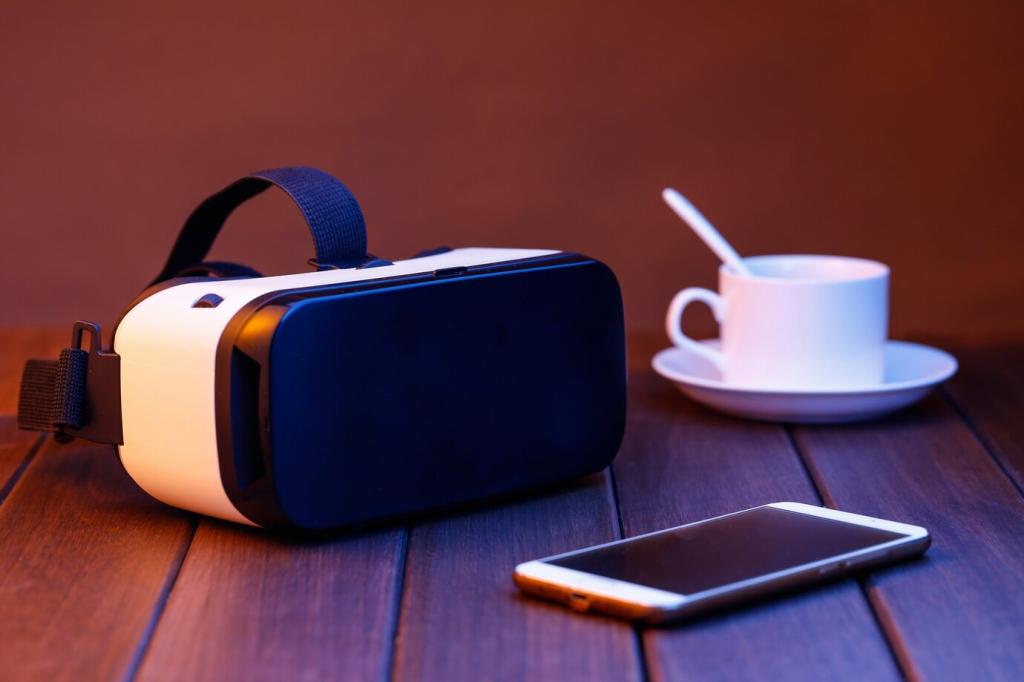
Virtual reality can reduce pain and pre‑procedure anxiety by transporting patients to calming environments. One child receiving a blood draw explored a coral reef, squeezed their caregiver’s hand once, and then proudly asked to replay the scene afterward.
Carp-fishing-holidays-france
Privacy Overview

This website uses cookies so that we can provide you with the best user experience possible. Cookie information is stored in your browser and performs functions such as recognising you when you return to our website and helping our team to understand which sections of the website you find most interesting and useful.